A Supportive Path Forward: Failure to Launch Help for Young Adults

Our failure to launch program in Utah is designed to address these challenges among young adults ages 18-25+. With comprehensive care that includes mental health support, life skills coaching, mentoring, wellness support, and community engagement, we can help young adults achieve independence.
Our caring staff of mental health professionals and outside clinicians provides personalized guidance to young adults who lack momentum, direction, and confidence. Typical length of stay in our programs is 12 months, although the average is between 10 and 14 months. Students live in fully furnished apartments for a semi-independent living experience, providing a safe place to learn, grow, and thrive.
Our Orem Setting for Failure to Launch Support
Students live in fully furnished apartments and attend work or school throughout our program. This allows them to practice real-world skills under the supervision of compassionate mentors, building real-world readiness. Students also have access to our local community, which offers exciting outdoor activities, opportunities to socialize, and volunteer opportunities.
Apartment Living That Builds Independent Living Skills
A Structured, In-Person Community Near Salt Lake City
Comfortable Spaces Designed for Confidence and Personal Growth
Three Simple Steps to Starting Your Recovery
Getting Started is Easy!
Step One
Call Today!
Step Two
Verify Insurance
Step Three
Schedule Admissions
Why Families and Students Choose STRiV Forward
Safe Space for Growth: We understand how challenging it can be to transition into adulthood. Our program offers a supportive environment where students can learn from failure and try again without the pressure of perfection, fostering resilience and confidence.
Personalized Support: Each student receives tailored mental health care designed to promote community, growth, and accountability. Our small, boutique setting ensures individualized attention with a 1:4 mentor-to-student ratio, enabling meaningful connections and personalized guidance.
Community, Not Just Treatment: Students are integrated into a supportive community rather than treated as just participants in a treatment program. We respect their independence through a freedom-first approach that includes no strict curfews and permission to use technology.

Long-Term Relationships: Our dedicated staff has an exceptionally low turnover rate, allowing mentors to build lasting, trust-based relationships with students. This stability supports ongoing growth and personalized mentoring.
Structured Opportunities for Reflection and Growth: Within our safe, supportive environment, students are encouraged to reflect, learn from their experiences, and grow at their own pace. The combination of peer and professional support creates a nurturing space.
Common Challenges Behind Failure to Launch
ADHD and Executive Functioning Difficulties
Low Self-Esteem, Social Anxiety, and Avoidance
Technology Dependence and Video Game Overuse
Mental Health and Emotional Barriers
Life Skills Training That Prepares Young Adults for the Real World
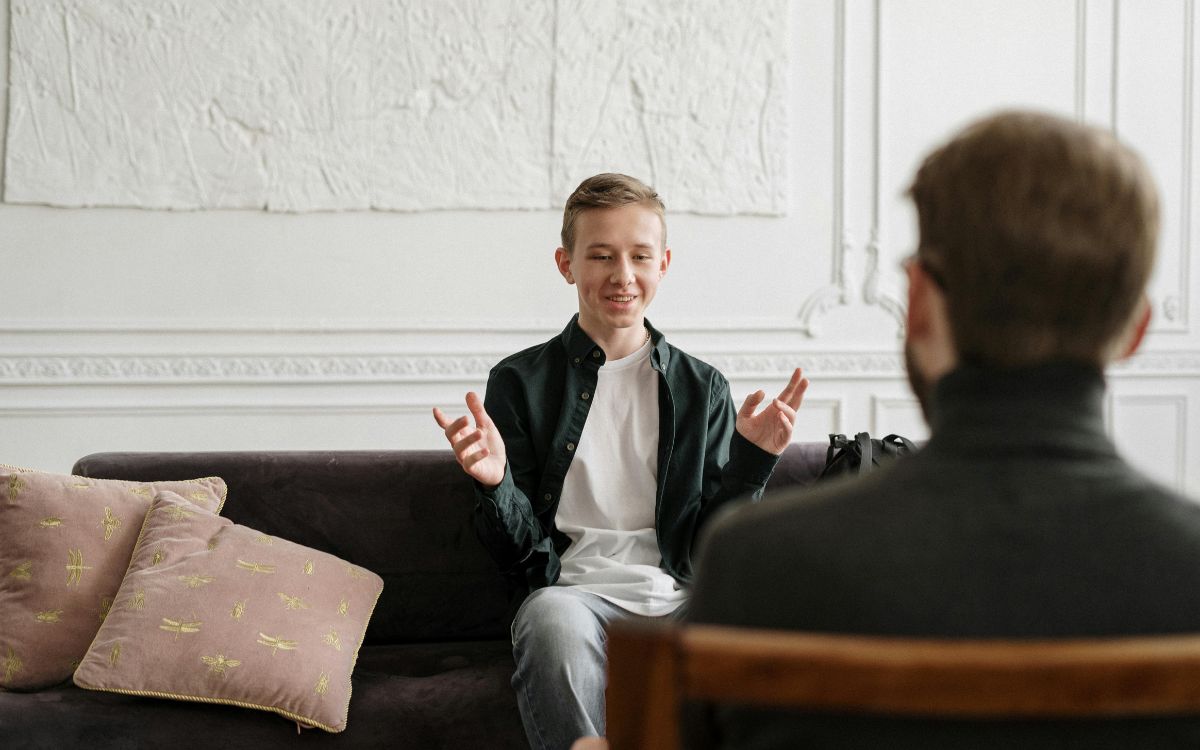
Individual Therapy and Collaborative Mental Health Support
Group Therapy and Peer Accountability
Students also participate in group therapy, which helps foster personal growth through shared experiences and peer feedback. Involving peers as part of our failure to launch program helps develop social skills, address emotional difficulties, and promote accountability.

Life Coaching, Mentorship, and Decision-Making Support
The goal is to inspire agency and confidence so students can achieve independence through their own hard work and merit. Once young people learn that they can achieve their goals, they become less afraid of independence.
Family Therapy and Ongoing Family Involvement


Personal Growth Through Real-Life Experiences
Students commonly enroll in Utah Valley University (UVU) and receive academic support while at STRiV. For employment, our vocational program helps students find local work or prepare them for a future career. The goal is to provide a safe place for students to try, fail, and try again. This encourages growth and makes adult experiences a regular part of their daily routine.
Daily Life in Our Failure to Launch Program
Is a Failure to Launch Program Right for Your Young Adult?
Inpatient programs are often too intensive for these challenges, while outpatient programs may not provide enough support. That’s why STRiV Forward created a failure to launch program that addresses these challenges in a safe, but close to real-life, setting. Here, students reclaim their agency from the challenges that hold them back and learn the skills they need for full independence.
Though your loved one may struggle now, it’s not forever. They can unlock their full potential at STRiV and become the responsible adults you believe they can be.

Partnering With Families for Long-Term Independence
A Supportive Environment Where Young Adults Move Forward
Our local community embraces the supportive and exciting nature of Utah’s outdoor lifestyle and positive mental health. Students are heavily involved in this community, which provides the socialization needed for personal growth and improved confidence.

FAQs
A failure to launch program is designed to help young adults who struggle to transition into independent living. It addresses the underlying causes for this failure to launch, including mental health challenges. Students in this program receive therapeutic support, life skills training, and personalized guidance to help them develop confidence, manage responsibilities, self-motivate, and achieve personal goals, which ultimately fosters independence.
A failure to launch program specifically assists young adults who struggle to transition into independent adulthood. It focuses on developing life skills while providing therapeutic support.
In contrast, a residential treatment center or outpatient program focuses on treating mental health conditions, such as substance abuse. These programs usually don’t focus on life skills training for adult independence, other than what is needed to cope with or manage mental health conditions.
Failure to launch is a multifaceted issue and can be caused by factors such as:
- Economic pressures
- Mental health challenges
- Overprotective parents
- Increased costs of living
- Societal shifts
- Fear of failure
- Substance use and abuse
- Trauma
- Process addictions (gaming, social media)
Any one of these factors can hinder the development of independence and make it difficult to learn life skills.
The best fit for our failure to launch program at STRiV Forward is young adults ages 18-25+ who are stable enough to live independently. Students should be willing to engage in treatment and motivated to grow.
We can help students with a wide range of mental health challenges. However, we are unable to help those with active substance use, unmanaged psychiatric conditions, or conditions requiring specialized medical supervision, like detox.
Individual therapy supports personal growth by providing a one-on-one environment where students can explore their emotions, develop self-awareness, and work through personal challenges with a trained therapist.
Group therapy supports personal growth through shared feedback and experiences from fellow peers, which helps individuals address maladaptive behaviors and emotional difficulties in a supportive setting.
Students at STRiV forward learn critical life skills they will need as independent adults, such as:
- General emotional and physical self-care
- Managing/maintaining living spaces
- Budgeting/money management
- Public transportation/driving
- Meal planning and preparation
- Vocational training and/or work experience
- Citizenship and community involvement
Families are included in our program through collaboration in goal setting and planning. Updates are frequent, and family therapy is offered as needed. We also help encourage healthy separation, which teaches families how to support their loved one while allowing them to become independent.
Yes! STRiV Forward provides a setting as close to the real world as possible, with fully furnished apartments, no curfew, and a local community to explore. This allows students to practice their skills in an environment that’s safe to fail in, which helps them adapt to life in the real world.
Enrollment typically lasts around 12 months, with 10 to 14 months being the average.