

Transformative Transitional Living Programs for Young Adults Near Salt Lake City, Utah
Our therapeutic programs are best designed to help young adults who lack momentum, direction, and confidence, but are motivated to make personal changes. Students struggling with mental health conditions such as ADHD or anxiety can find personalized treatment plans to help them cope with and healthily manage their conditions. By the time our students are ready to leave STRiV, they will have built a toolkit of skills needed to thrive as independent adults.
To learn how our therapeutic programs can help your emerging adult, contact our admissions team today.
Why Families and Students Choose STRiV Forward
Safe Space for Growth: We understand how challenging it can be to transition into adulthood. Our program offers a supportive environment where students can learn from failure and try again without the pressure of perfection, fostering resilience and confidence.
Personalized Support: Each student receives tailored mental health care designed to promote community, growth, and accountability. Our small, boutique setting ensures individualized attention with a 1:4 mentor-to-student ratio, enabling meaningful connections and personalized guidance.
Community, Not Just Treatment: Students are integrated into a supportive community rather than treated as just participants in a treatment program. We respect their independence through a freedom-first approach that includes no strict curfews and permission to use technology.
Freedom to Pursue Passions: We encourage students to engage in hobbies and activities they love. Our flexible environment promotes self-discovery and confidence, helping students develop independence through meaningful experiences.
Long-Term Relationships: Our dedicated staff has an exceptionally low turnover rate, allowing mentors to build lasting, trust-based relationships with students. This stability supports ongoing growth and personalized mentoring.
Structured Opportunities for Reflection and Growth: Within our safe, supportive environment, students are encouraged to reflect, learn from their experiences, and grow at their own pace. The combination of peer and professional support creates a nurturing space.
Three Simple Steps to Starting Your Recovery
Getting Started is Easy!
Step One
Call Today!
Step Two
Verify Insurance
Step Three
Schedule Admissions
Helping Young Adults Gain Independence
As such, our model of therapeutic transitional living focuses on providing real-world experiences along with professional support. This returns agency to our students and helps them build the confidence they will need as independent adults.
Develop Independence in an Apartment Style Living Environment
Along with safe housing, students can learn to cook, do laundry, and other essential skills for independence. This naturally builds self-sufficiency and confidence in our students, helping them make healthy choices as they grow.


Enjoy Comfortable Spaces That Support Growth & Healing
Build a Supportive Network & Community

Preparing Young Adults for Real-World Challenges

Individual Therapy & Mental Health Support
Students who require individual therapy will receive referrals to an outpatient program, most often conducted by providers we collaborate with. This approach helps our students learn how to manage their mental health conditions and care for their mental health overall.
Share Experiences With Peers in Group Therapy


Long-Term Planning With Life Coaching & Mentorship
Support for Families
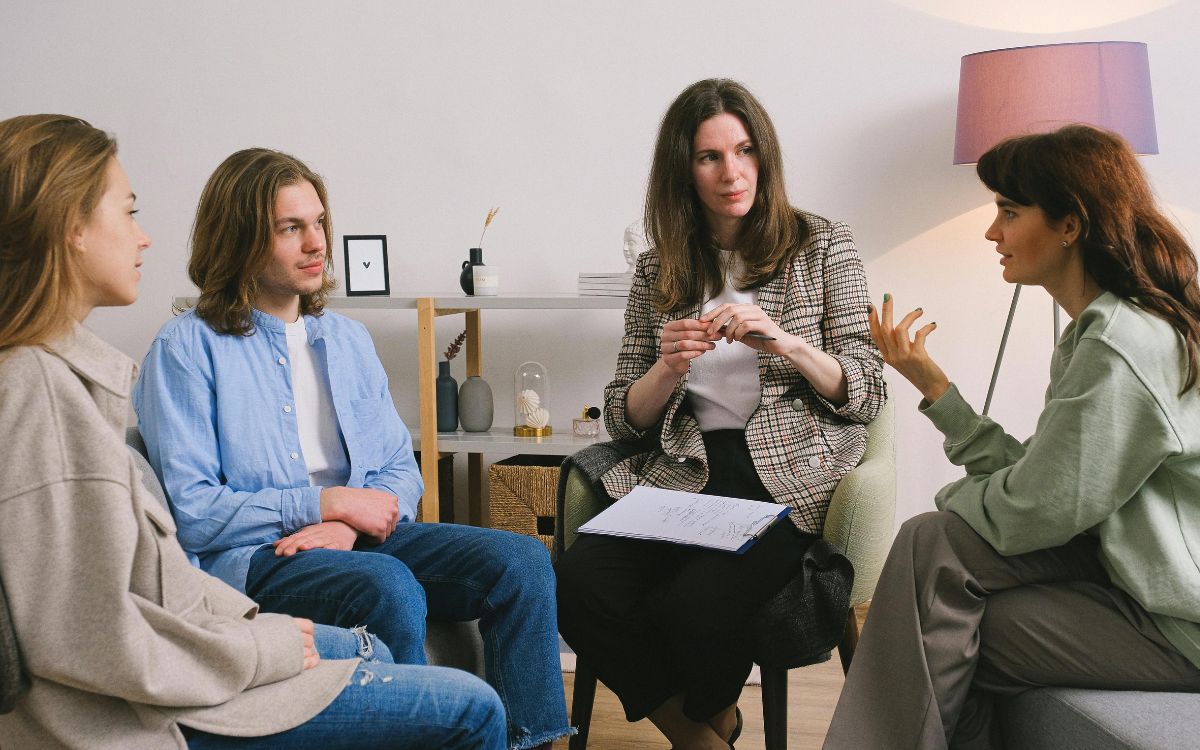

Experience Real-Life Situations that Support Confidence & Growth
STRiV helps students find work or education through our academic and vocational programs. We don’t have curfews or place limits on technology, unless the student is being treated for process addiction. This forces students to take accountability for their choices and make healthier choices in the future. Over time, regular adult responsibilities become second nature and less scary.
What to Expect from Daily Life in Our Transitional Living Program
Schedules have structured time to study, meet with their mentor, get coaching, receive therapy, and socialize with others. Community events are frequent and range from volunteer opportunities to exciting recreational adventures. Although students work hard in our transitional living program, they have time to rest, relax, and practice self-care.
Overall, life at STRiV mimics real life as closely as possible, with some students seeking education, having a job, or engaging in a hobby with new friends. The only difference is the professional support available for each student while they learn and grow at STRiV.
Evidence-Based Support for Mental Health Conditions
STRiV is equipped to help students with mild to moderate mental health challenges, which include common mental health disorders, self-sabotage, poor self-esteem, and more.

Anxiety Disorders & Emotional Regulation Challenges
Depression, Bipolar Disorder & Mood Instability


ADHD & Executive Functioning Challenges
Personality Disorders


Co-Occurring Disorders
Serious conditions that require inpatient care, such as active substance use, are not treated at STRiV. However, conditions that are moderate or in the past, such as past substance use or suicidal ideation, can be addressed on a case-by-case basis to ensure student safety.
When a Transitional Living Program Is Right For Your Young Adult
A transitional living program may be right for your loved one if they want to achieve independence but need specialized support and/or a safe place to practice their skills. Sometimes, a space away from family can be the fresh start needed to take independence seriously.
Each student is assessed to ensure eligibility and that they can safely live semi-independently in our apartments.
Working With Families to Support Long-Term Independence


Community-Based Treatment Where Young Adults Thrive
Here, our students can be young adults who can try, fail, and try again. This builds resilience, encourages students to come out of their shells, and seek their place in the world as young adults. There’s a world waiting to be explored, and it begins with a step into our encouraging community.
FAQs
A transitional living program is a program where young adults learn and practice life skills in preparation for adult life. For example, they learn how to budget, cook meals, enroll in school, find a job, and more. The goal is to help young adults build a solid foundation for successful independent living.
Transitional living programs are not the same as inpatient or residential treatment. These programs are best suited for people with severe conditions that require consistent medical oversight, such as active substance use disorders. Although there can be transitional living programs for those transitioning into sober living, young adult transitional programs are focused more on mastering independent life skills.
STRiV Forward can support a wide range of mental health conditions, such as:
- Neurodevelopmental disorders, such as autism spectrum disorder and ADHD
- Mental health disorders such as anxiety, depression, and mood disorders.
- Psychoeducation and wellness education
- Gender identity issues
- Self-sabotage and low self-esteem
- Social struggles
- Executive functioning challenges
- Emotional/behavioral challenges
- Process addictions (compulsive screen/electronics use)
- Past but not current substance use or abuse
- Case-by-case for suicidal ideation (depends on safety and risk level)
STRiV Forward supports our students’ mental health and well-being by providing personalized treatment and guidance tailored to their unique needs. Students have access to coaching, mentors, training, psychoeducation, groups, and therapeutic modalities to bolster mental health and build resilience.
We also encourage our students to form friendships and connections with each other both at STRiV and out in the community, to combat isolation and promote social skills. This approach ensures that our students don’t slip through the cracks and receive the care they need to thrive.
The length of stay for each student at STRiV will vary based on their individual needs. Typically, this is 12 months, but the average is between 10 and 14 months.